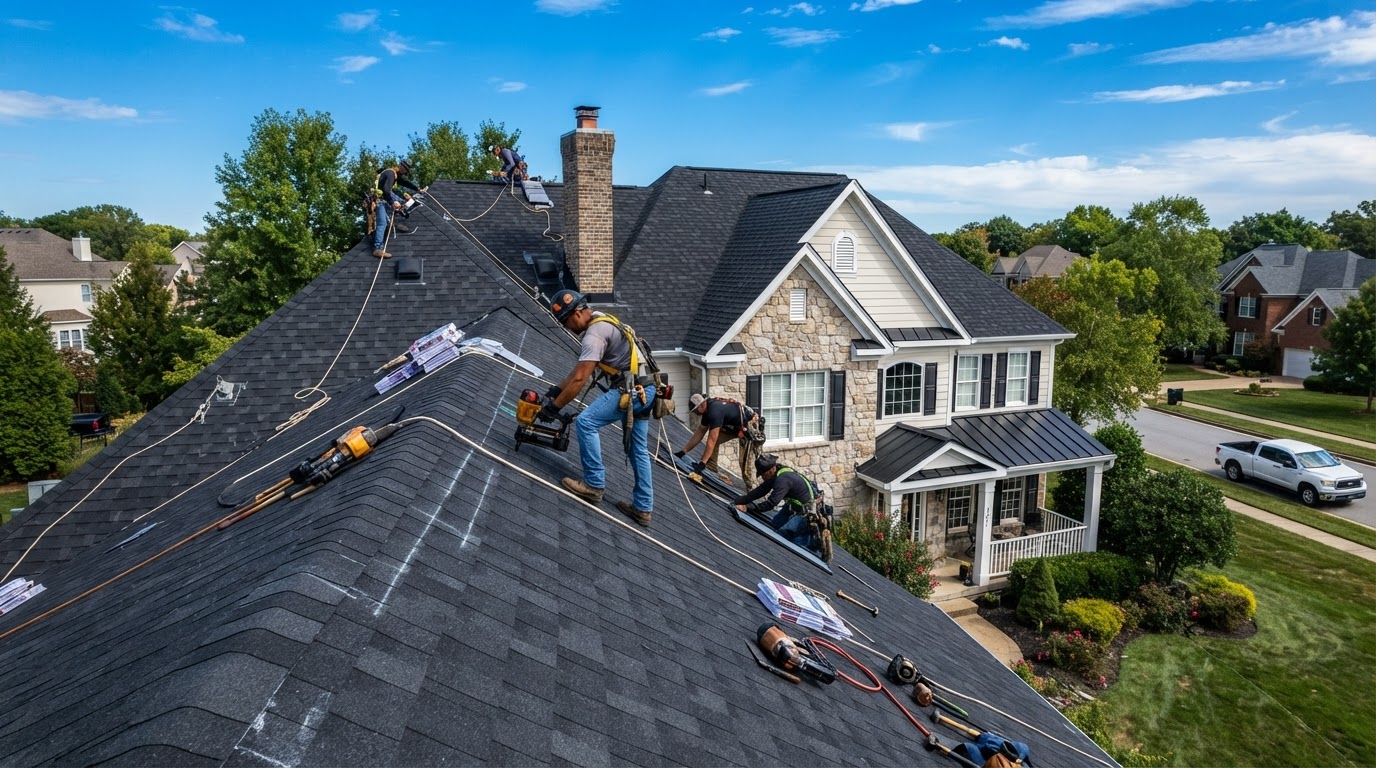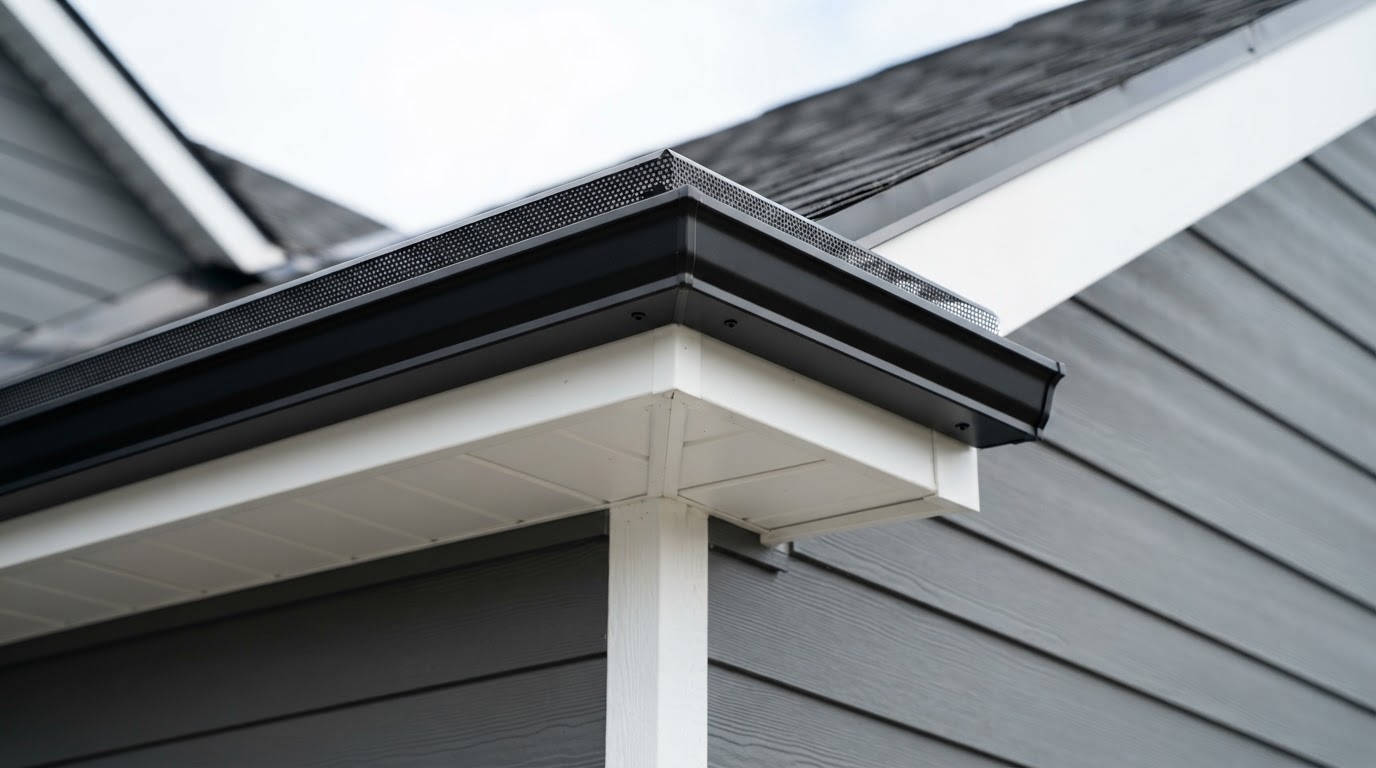
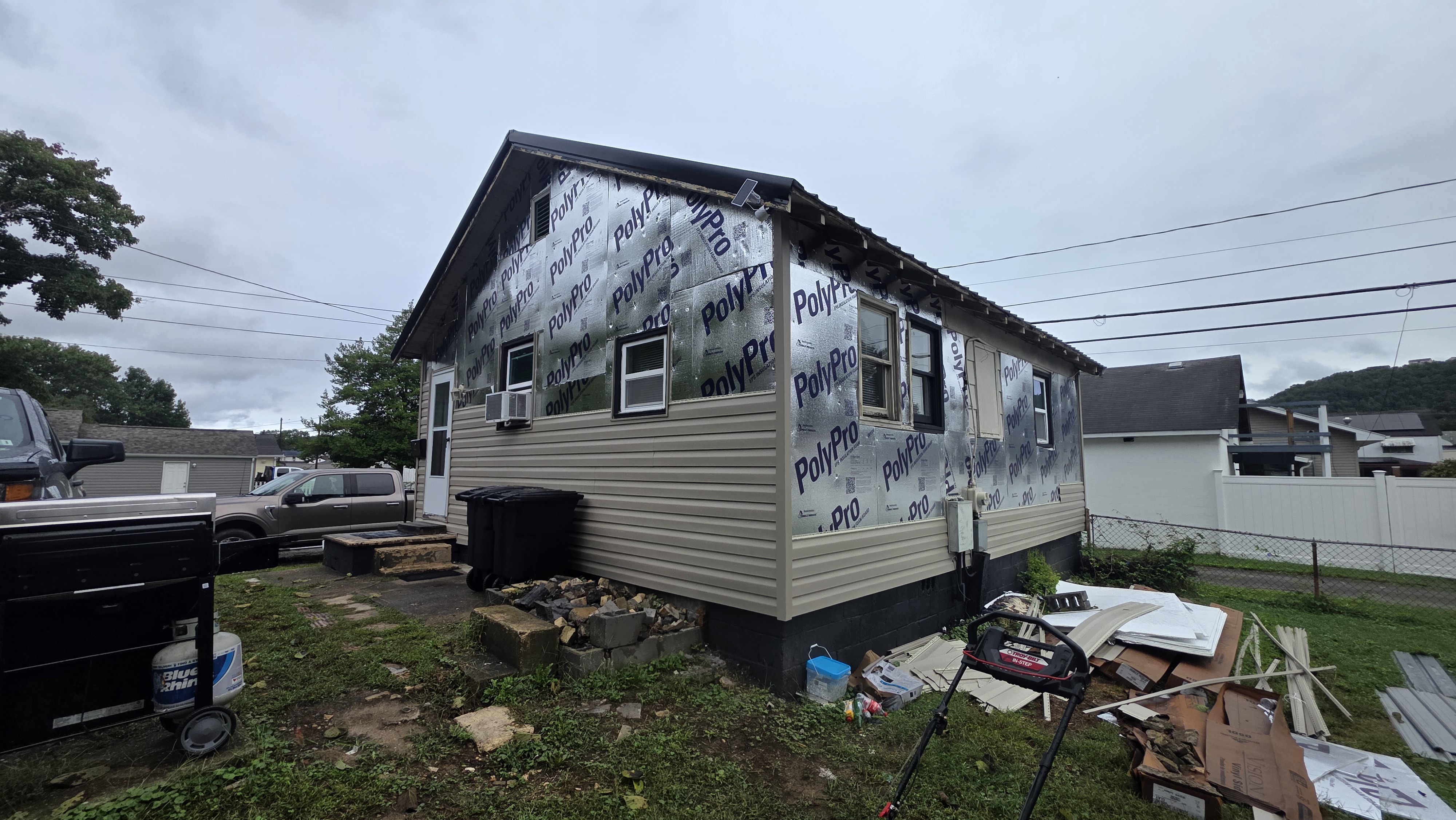
Every winter we get the same calls from across the tri-state — Ironton, Paintsville, Grayson, Charleston: 'I've got icicles two feet long and water coming in around my top-floor windows.' That's an ice dam. It's not a shingle problem and it's not bad luck. It's an attic heat problem, and until you fix the ventilation, it'll come back every February. Here's what's actually happening on your roof, the damage it does, and the fix that ends the cycle.
How an Ice Dam Forms on Your Roof
Snow falls on your roof. The attic below is too warm because insulation and ventilation aren't balanced. The snow against the shingles melts, runs down the slope toward the cold eave, and refreezes into a ridge of ice — the dam. Behind that dam, meltwater pools, backs up under the shingles, and runs into your soffit, walls, and top-floor ceilings. The shingles aren't the failure; the warm attic is.
Why Tri-State Roofs Get Ice Dams the Worst
The older housing stock across Eastern Kentucky, Western West Virginia, and Southern Ohio has a lot of under-ventated attics — shallow ridge vents or none at all, blocked soffit intakes, and insulation that's settled over the decades. Add the heavy, wet snow we get off the river valleys and the freeze-thaw cycles, and you get textbook ice-dam conditions. Newer homes aren't immune either; a lot of builds went up with minimum-code venting that can't keep up.
The Damage Ice Dams Actually Do
Pooled water backs up under the shingles, soaks the decking, and runs down the inside of the wall. You see it as ceiling stains, peeling paint, buckling drywall, and mold in the attic. Left long enough, it rots the roof deck and the rafter tails at the eave. It's not a leak you can caulk from the inside. The damage starts at the top of the wall and wicks down — which is why the first stain is usually at a top-floor window or an exterior corner.
The Real Fix: Balanced Ridge and Soffit Venting
You don't stop ice dams by adding more shingles or heating cables. You stop them by cooling the attic down so the snow doesn't melt in the first place. That means continuous ridge vent at the peak, matched soffit intake at the eaves, and clear air flow between them. When the attic temperature matches the outside air, the snow stays frozen and the dams never form. We also add ice-and-water shield in the valleys and eaves as a belt-and-suspenders backup so any water that does back up is shed, not soaked in.
Insulation Matters Too — but Not Alone
Ventilation alone isn't the whole answer; the attic floor also needs enough insulation to stop house heat from reaching the roof deck. We see a lot of tri-state attics with settled, compressed, or gap-ridden insulation that pipes heat right into the roof. The combination — proper insulation at the attic floor, balanced ventilation above it, and ice-and-water shield at the eaves — is what ends the ice-dam cycle. Skip any one of the three and the dams come back.
What to Do Right After a Storm
If you have an active ice dam right now, don't chip it off the roof — you'll take shingles with it. The safe move is to clear the snow off the problem area with a roof rake from the ground and call us for an emergency tarp if water is already inside. Then, once the roof is dry, we do the ventilation and shield work that keeps it from happening next winter. Call (740) 744-1682 for a same-day tri-state emergency response.
Why K-BAR-D Handles the Whole System
Most roofers just nail shingles. We handle the whole cold-weather system — decking, underlayment, ice-and-water shield, ridge and soffit venting, and the attic insulation that ties it together. That's how you actually end ice dams, not by re-roofing the same way the last crew did. Free inspection, straight answer on what your attic needs. Call (740) 744-1682.
Got a question about your roof, gutters, or deck?
Skip the research and talk to the crew that runs the ladders. We'll inspect your property and give you a straight answer — free. Call (740) 744-1682 or request an estimate below.